











2026.11.04
Kofu Ebisu-ko Festival 2026: Celebrate Kofu’s Autumn Tradition and Explore Hanakoji
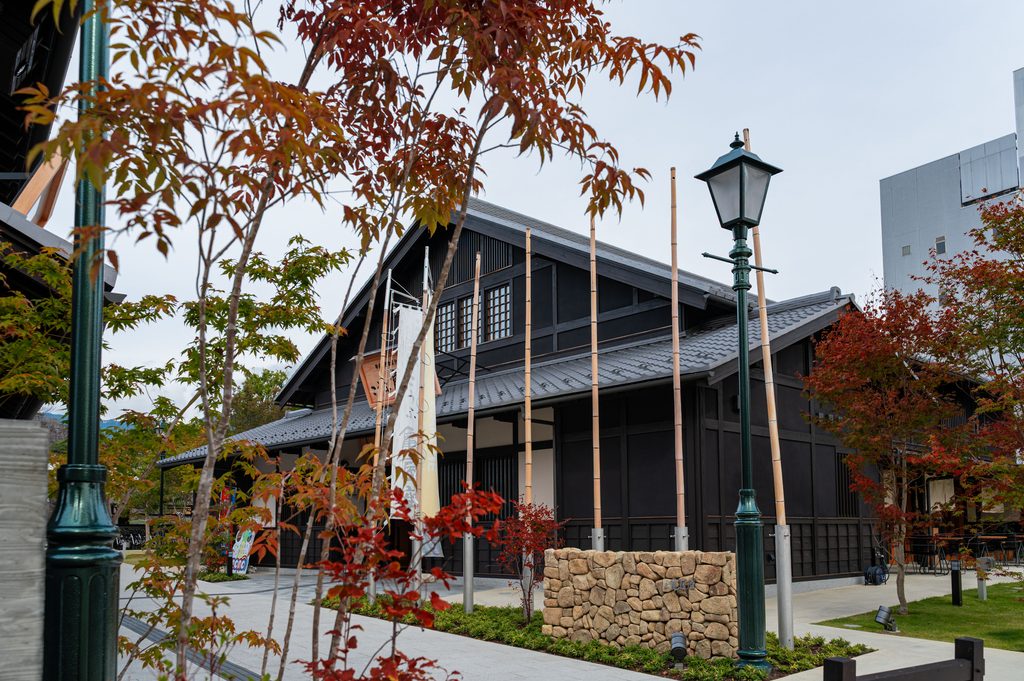
The Kofu Ebisu-ko Festival will be held in downtown Kofu on Monday, November 23, 2026 (a national holiday).
2026 Kofu Ebisu-ko Festival Brochure
First held in 1929 as an event to pray for prosperity in business, the Kofu Ebisu-ko Festival has a long history and remains one of Kofu’s most beloved autumn traditions.
Every year, the city’s central shopping streets and surrounding venues come alive with portable shrine processions, stage performances, festival stalls, shopping promotions, and other activities that attract large crowds.
In recent years, Kofu Kameyaza, located next to Koedo Kofu Hanakoji, has also served as one of the festival venues. In this article, we’ll introduce the 2026 festival schedule, its history and highlights, and ways to enjoy exploring the city alongside a visit to Hanakoji.
Kofu Ebisu-ko Festival 2026: Event Overview
The 2026 Kofu Ebisu-ko Festival will take place on Monday, November 23, a national holiday in Japan.
| Item | Details |
|---|---|
| Event Name | Kofu Ebisu-ko Festival |
| Date | Monday, November 23, 2026 (National Holiday) |
| Location | Koedo Kofu Hanakoji, Kofu Kameyaza, and the surrounding downtown shopping streets of Kofu |
| Main Attractions | Portable shrine processions, stage performances, festival stalls, shopping street events, and more |
| Admission | Free admission (some activities may require a fee) |
Stage Event Schedule
| 9:30 AM– | Traditional Festival Music of Kofu Kofu Hayashi Preservation Society |
|---|---|
| 10:00 AM– | Kofu Ebisu-ko Festival Opening Ceremony |
| After the Ceremony (Around 10:45 AM) | Catch Some Lucky Mochi! Lucky Mochi Toss from the Ebisu Festival Float – Session 1 |
| 10:50 AM– | Kofu Minami Kindergarten Marching Band |
| 11:35 AM– | Kofu Osato Kindergarten Marching Band |
| 12:20 PM– | Sunny Side Gospel Club Kofu |
| 1:15 PM– | Hello Kitty Meet-and-Greet (First 15 Groups) Numbered tickets distributed at the event headquarters from 12:15 PM |
| 1:15 PM– | Meiji University Juggling Team After Dietz (Canceled in Case of Rain) |
| 2:00 PM– | Childhood Friends Idol Duo from Shizuoka Orange Leaf |
| 2:30 PM– | Catch Some Lucky Mochi! Lucky Mochi Toss from the Ebisu Festival Float – Session 2 |
| 2:40 PM– | Win a Nintendo Switch 2! Prize Bingo Game with Popular Gaming Consoles and a Prize for Everyone! |
| 3:30 PM– | Hello Kitty Special Stage Show |
Please check the official announcements for detailed event times, programs at each venue, and traffic restrictions as information becomes available.
Reference: Kofu Chamber of Commerce and Industry Official Website
What Is the Kofu Ebisu-ko Festival?
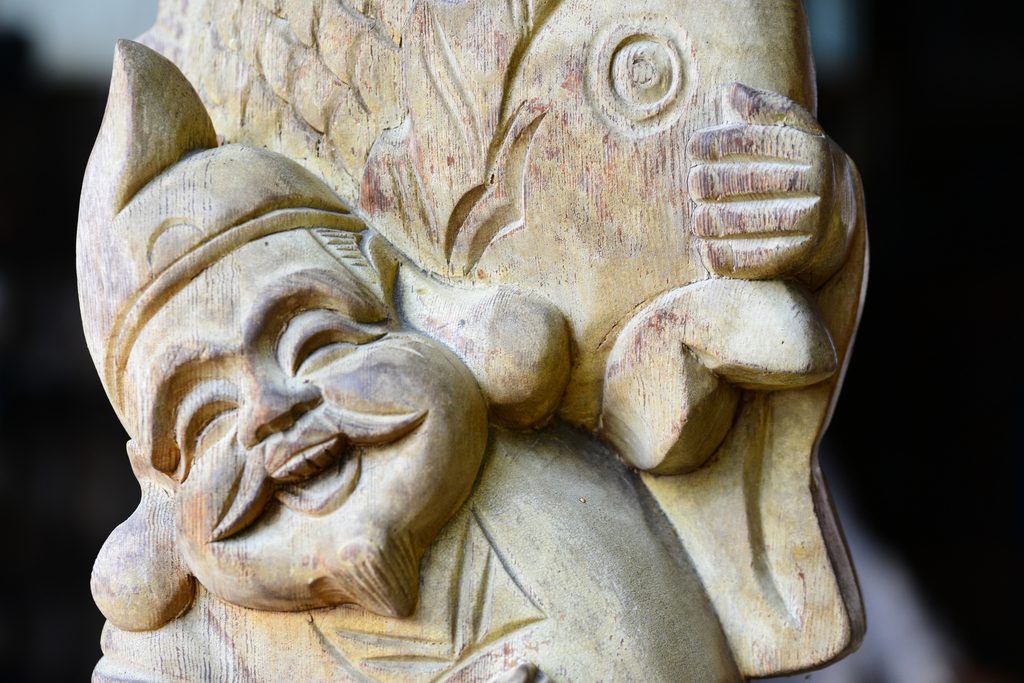
The Kofu Ebisu-ko Festival is an annual celebration held every November in the central shopping streets of Kofu.
Ebisu is a Japanese deity traditionally associated with prosperity in business and abundant harvests. Kofu’s Ebisu-ko Festival began as an event to pray for business success while bringing energy and excitement to the city’s commercial districts.
Today, the festival has grown beyond a traditional shopping street celebration into a community event enjoyed by people of all ages. With different activities taking place throughout downtown Kofu, visitors can explore the city on foot while enjoying the festivities at multiple locations.
A Kofu Tradition Dating Back to 1929
The Kofu Ebisu-ko Festival was first held in 1929, the fourth year of the Showa era.
Following the financial crisis of 1927, an economic downturn spread across Japan. To help revitalize Kofu’s commercial community, the festival was established through the joint efforts of the Kofu Chamber of Commerce and Industry, Kofu City Hall, and the Federation of Kofu Business Associations.
The first event, known as the “First All-Kofu Ebisu-ko Grand Sale,” took place over three days, from November 23 to 25.
A large illustrated sign depicting Ebisu was displayed in front of the Kofu Chamber of Commerce and Industry building, and a parade was also held through the city streets.
Over time, the festival expanded to include decorative floats, entertainment performances, fireworks, and other attractions, evolving from a commercial promotion into a major community celebration. Although it was interrupted during World War II, the tradition has been passed down through generations and continues to bring autumn festivities to the streets of Kofu.
Official Information: Kofu Chamber of Commerce and Industry – Announcement of the 92nd Kofu Ebisu-ko Festival
Highlights of the Kofu Ebisu-ko Festival
Portable Shrine Processions Through Downtown Kofu
One of the festival’s most exciting attractions is the mikoshi procession through the streets of central Kofu.
Participants carry portable shrines through the city while calling out energetic chants, drawing crowds of spectators along the route. It’s one of the festival’s signature traditions and a wonderful opportunity to experience the lively atmosphere of downtown Kofu.
The Ebisu Festival Float Celebrating Prosperity
The Ebisu festival float, featuring a figure of the deity Ebisu, is another symbol of the celebration.
In recent years, the festival has featured lucky mochi tossing from the Ebisu float. Visitors gather to catch the rice cakes, which are considered symbols of good fortune, creating an especially lively and festive atmosphere.
Stage Performances by Local Groups
Visitors can enjoy performances by local community groups and children, along with special guest appearances and entertainment programs unique to each year’s festival.
Koedo Kofu Hanakoji and Kofu Kameyaza Join the Festival
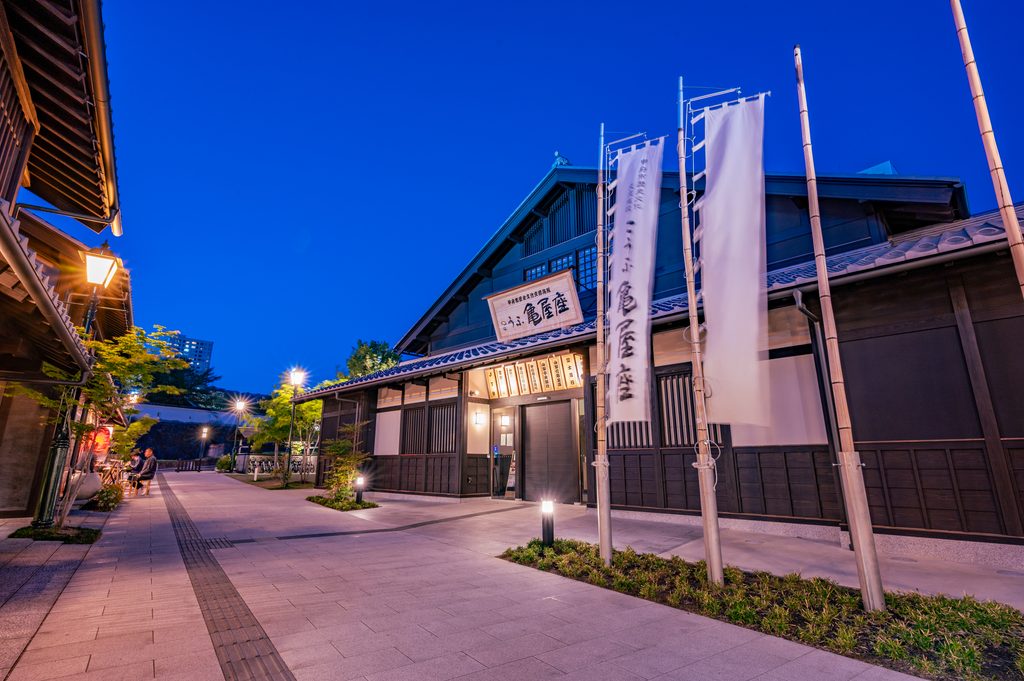
In recent years, Kofu Kameyaza, located next to Koedo Kofu Hanakoji, has also been used as a venue for the Kofu Ebisu-ko Festival.
In 2025, the venue hosted traditional Kofu festival music, lucky mochi tossing from the Ebisu float, kindergarten marching band performances, dancing, bingo games, and more.
Hanakoji is a place where visitors can experience the atmosphere of Kofu’s historic castle town, once known as “Little Edo.” Its cobblestone lanes, traditional lanterns, and townhouse-style buildings with smoked roof tiles create a charming setting for a stroll through the city’s history.
The Kofu Ebisu-ko Festival has long celebrated business prosperity and brought excitement to the city, while Koedo Kofu Hanakoji recreates the lively atmosphere of Kofu’s former castle town. Exploring both offers a chance to discover Kofu’s history alongside the character of the city today.
For details about the 2026 Ebisu-ko Festival activities at Koedo Kofu Hanakoji and Kofu Kameyaza, please check the official announcements.
Enjoy Dining and Shopping at Koedo Kofu Hanakoji During the Festival!
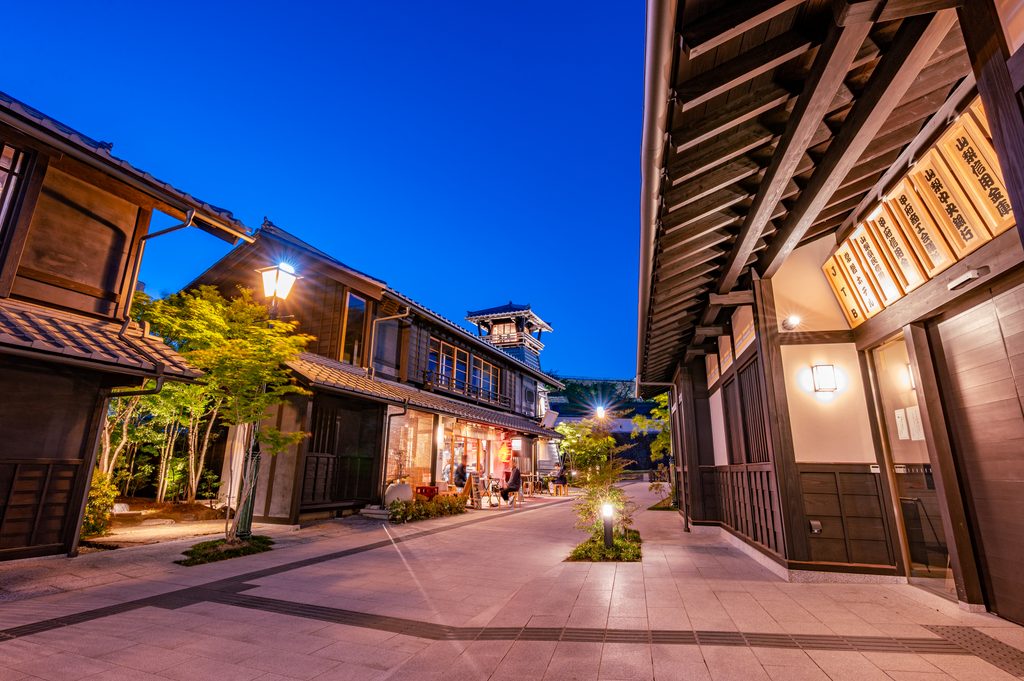
When visiting the Kofu Ebisu-ko Festival, we also recommend spending some time enjoying the restaurants and shops at Koedo Kofu Hanakoji.
Koedo Kofu Hanakoji is home to restaurants serving dishes and sweets made with ingredients from Yamanashi Prefecture, as well as shops offering products that reflect the local character of the region.
You can stop for a meal after watching the stage performances or portable shrine processions, take a break at a café between events, or browse the shops for souvenirs.
Strolling along the cobblestone lanes in the gentle autumn sunshine is another lovely experience to enjoy alongside the festival.
Conclusion
First held in 1929, the Kofu Ebisu-ko Festival has grown alongside the city and remains a cherished local tradition.
In 2026, the festival will take place on Monday, November 23, a national holiday in Japan.
With portable shrine processions, festival floats, stage performances, traditional festival stalls, and shopping street sales, it’s a wonderful opportunity to explore downtown Kofu and experience its lively festive atmosphere.
After enjoying the festival, be sure to stop by Koedo Kofu Hanakoji. Take a leisurely stroll along its Edo-inspired cobblestone streets while enjoying local restaurants, cafés, and shopping.
For the latest information on the 2026 event schedule and traffic restrictions, please check official announcements from the Kofu Chamber of Commerce and Industry and other organizers.
 LINEで送る
 シェア
 ポスト
