Unraveling the food culture of Kofu! The deep history of fermented foods dating back to the time of Takeda Shingen
Miso and wine grace the dining tables of Kofu. The origins of this rich fermentation culture lie in the wisdom of Takeda Shingen and the unique climate and natural features of the basin. This time, we will unravel the story of how fermented foods have been cultivated in Kofu from the Sengoku period to the present day. Learning about the history of Koshu miso and Koshu wine, both of which are associated with Shingen, will surely enhance the flavor of Kofu’s cuisine. We hope this information will also be useful when choosing souvenirs for your trip.
When talking about Kofu’s food culture, it is essential to mention fermented foods, which have been deeply rooted in daily life since ancient times. From the Sengoku period to the present day, the knowledge and techniques involved have been carefully passed down. Here, we will explain the deep historical relationship between Kofu and fermented foods.
The era of Takeda Shingen and the foundation of fermentation culture
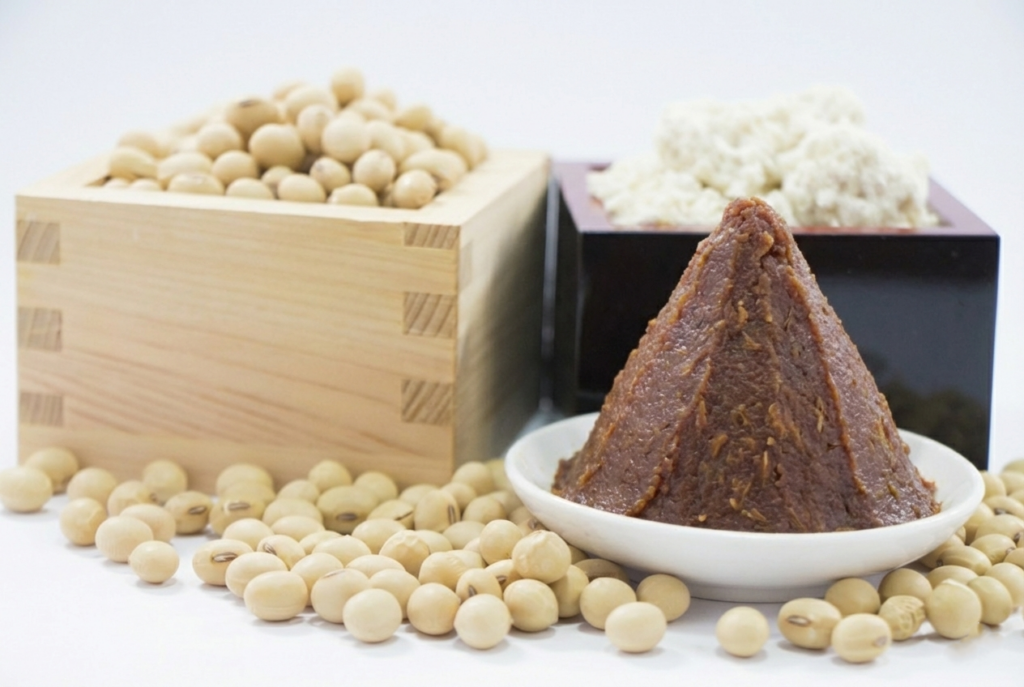
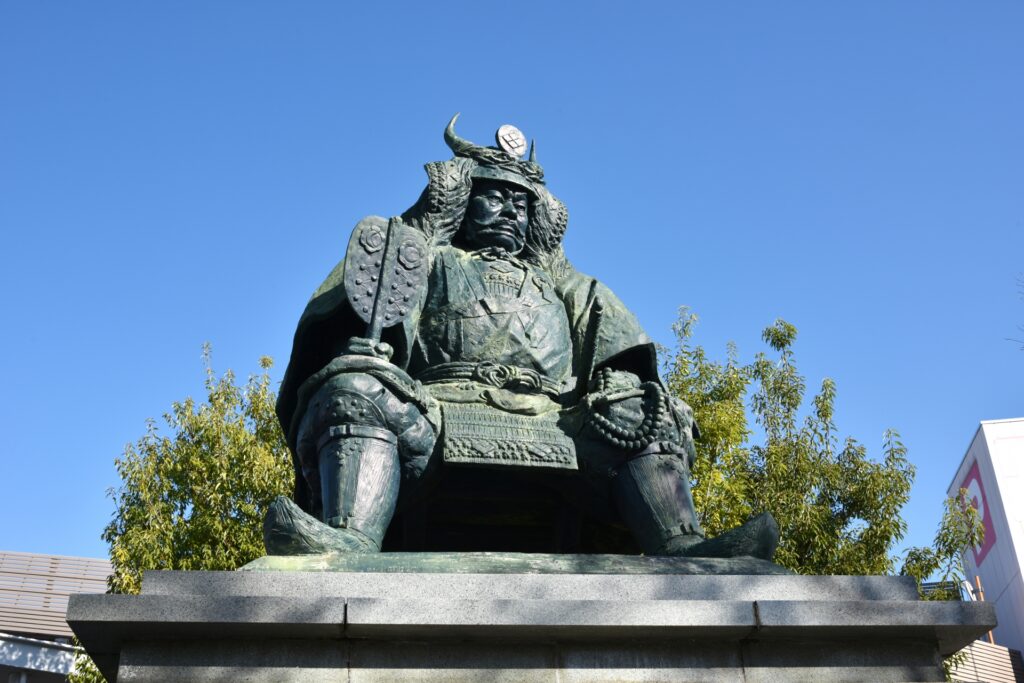
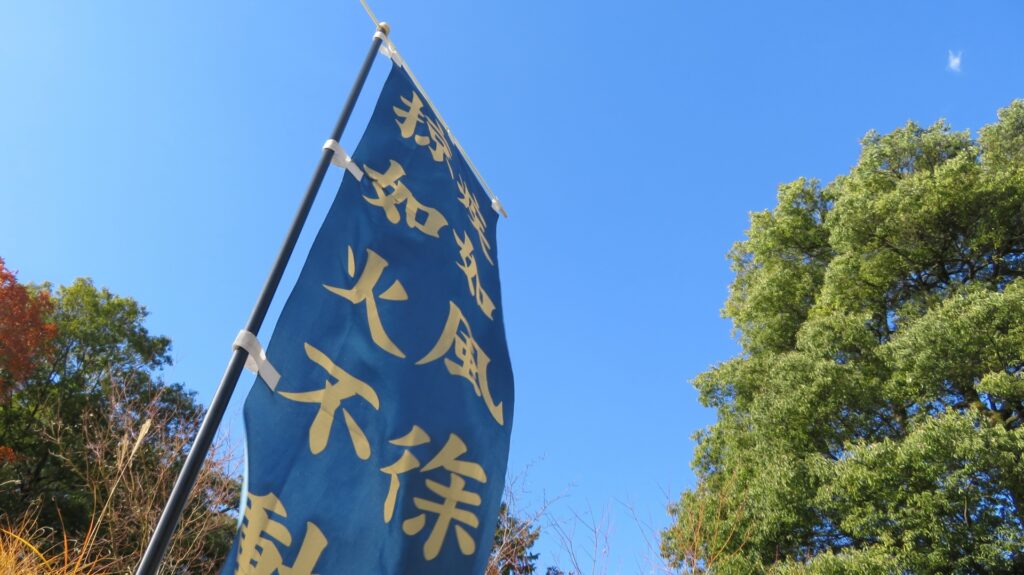
The foundation of fermentation culture in Kofu is said to have been laid by Takeda Shingen, a warlord of the Sengoku period. Shingen encouraged his subjects to produce miso, a highly nutritious and long-lasting military food to sustain the strength of his soldiers. This is thought to be the origin of the modern-day “Koshu miso.” At the time, salt was a precious commodity in Kai Province, which was surrounded by mountains, so miso also played an important role in storing salt. Shingen’s encouragement of miso production not only helped prepare people for war, but also enriched people’s diets.
Fermented foods nurtured by Kofu’s climate and natural features
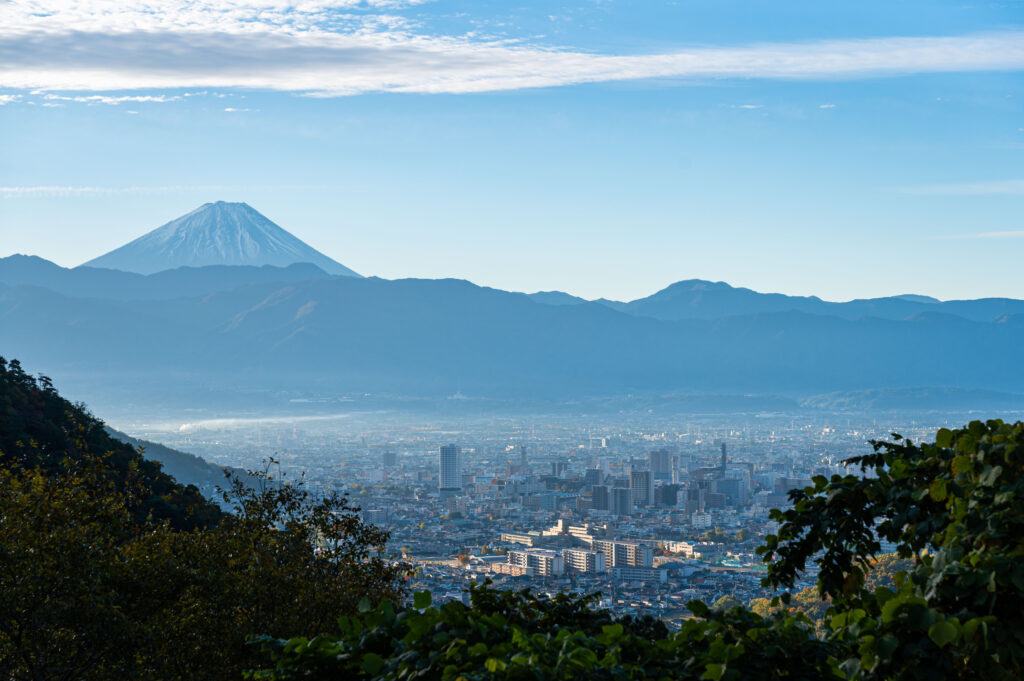
The unique climate of the Kofu Basin has also greatly supported the production of fermented foods such as miso and wine. Surrounded by mountains on all sides, the area experiences hot summers and bitterly cold winters. This large temperature difference, combined with the long hours of sunshine throughout the year, has given fermented foods a deep, rich flavor.
Kofu’s climate and natural features
Effects on fermented foods
Large temperature differences
It promotes the slow maturation of miso and soy sauce, giving them a rich and full-bodied flavor, and also increases the sugar content of fruit.
Severely cold and dry winter
It suppresses the growth of bacteria and creates an environment suitable for producing fermented foods, such as miso and pickles, that are intended to be stored for a long period of time.
One of Japan’s longest hours of sunshine
The area is well suited to growing fruit trees, such as grapes, which are used to make wine, and produces high-quality fruit with a high sugar content.
A representative fermented food that tells the story of Kofu
Fermented foods, which have been around since the time of Takeda Shingen, are essential to gaining a deeper understanding of Kofu’s food culture. Here, we will explain the background of “Koshu miso” and “Koshu wine,” two representative fermented foods that have been part of Kofu’s history.
Koshu miso: military food recommended by Takeda Shingen
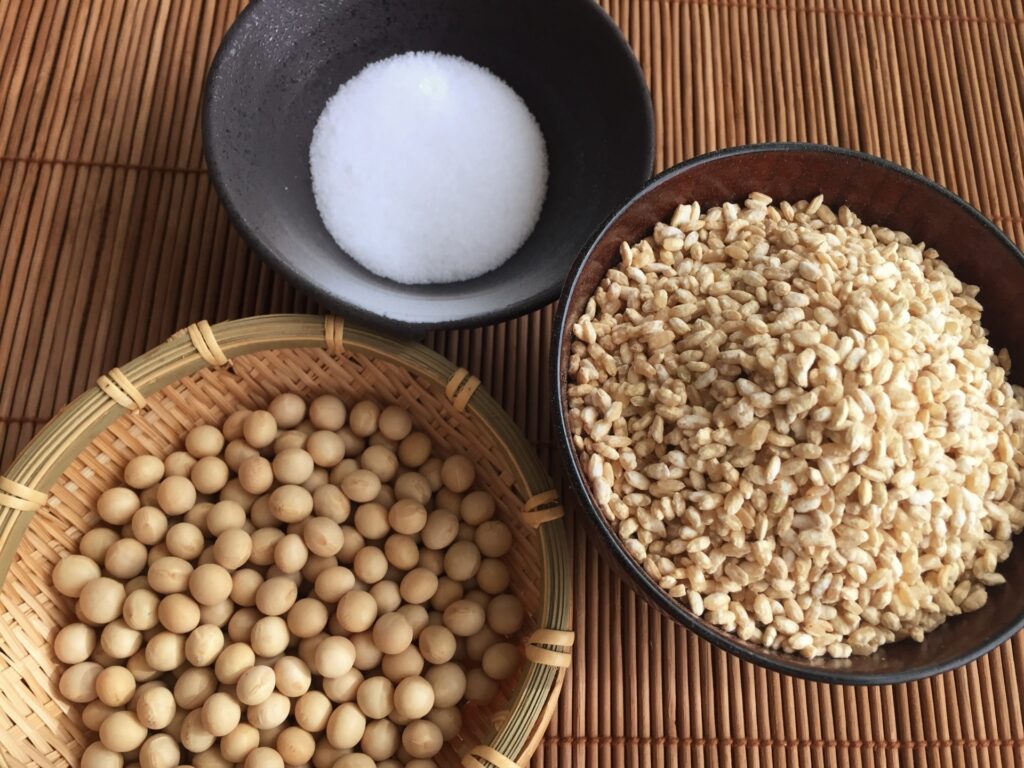
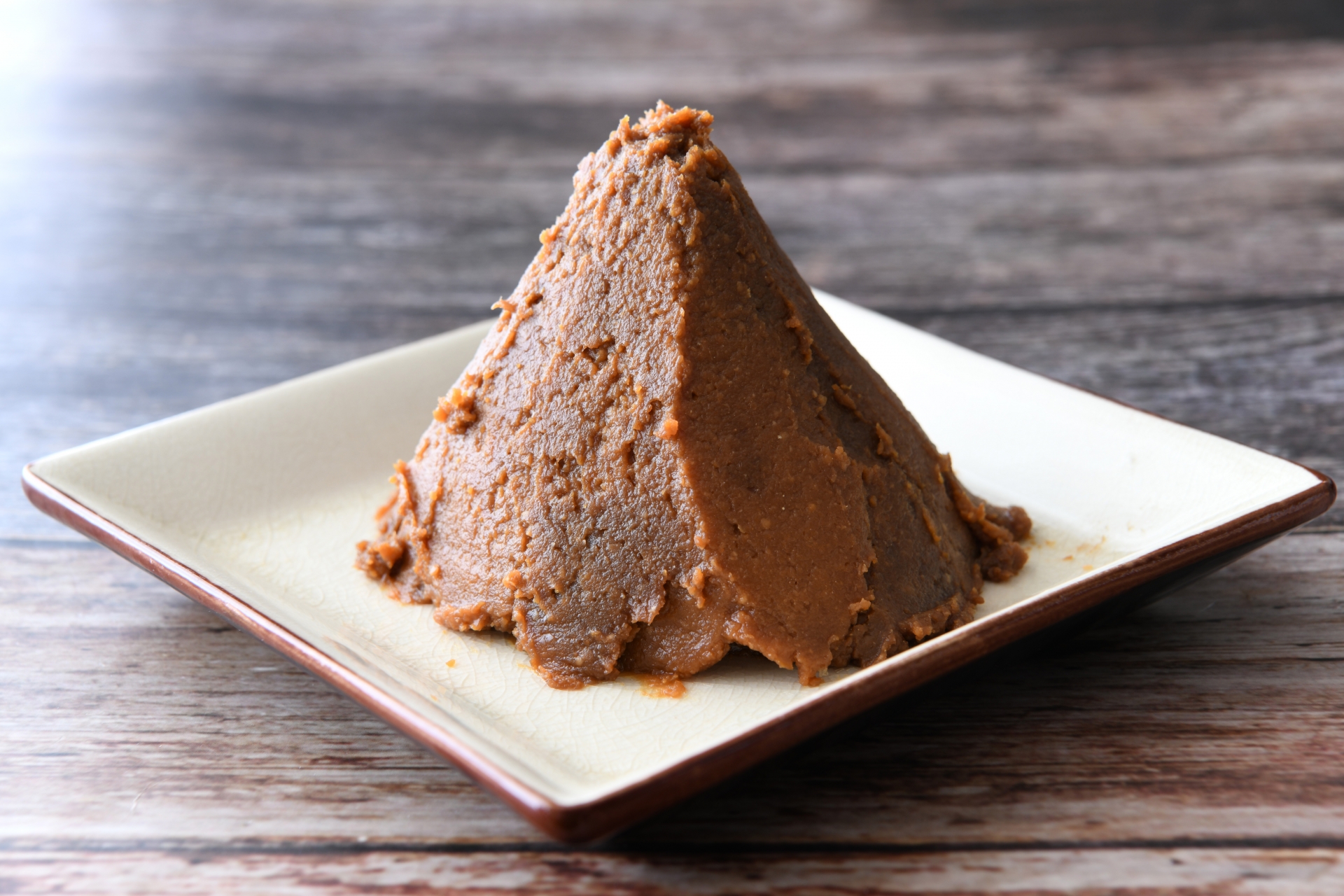
Koshu miso is known for its production and popularization, encouraged by Takeda Shingen, a warlord of the Sengoku period. Kai Province (present-day Yamanashi Prefecture) is mountainous and rice production was limited, so Shingen promoted the cultivation of barley in addition to rice. As a result, Koshu miso is characterized by its use of both rice koji and barley koji, resulting in a refreshing flavor with a gentle sweetness. This miso not only had a long shelf life and was highly nutritious, but was also highly valued as a valuable military ration during wars. Documents record that Shingen used miso to prevent food spoilage when advancing, and it is said to have played an important role in actual combat as well.
“Hoto”: The transition from military food to local cuisine
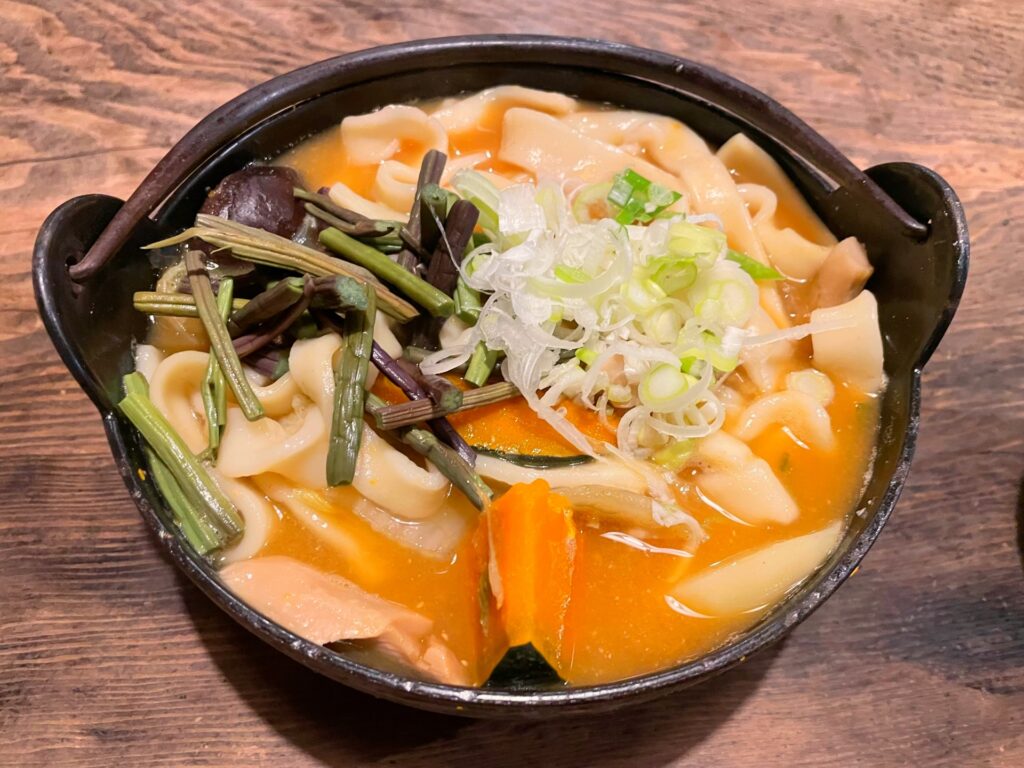
The most well-known dish using Koshu miso is “hoto,” a local dish of Yamanashi Prefecture. Hoto is a dish of wide wheat flour noodles simmered in a miso-based broth with pumpkin and other vegetables. It’s said that Takeda Shingen adopted it as a battlefield food due to its ease of preparation and excellent nutritional balance. The key to its flavor is Koshu miso. The combination of three grains – rice and barley used in Koshu miso and wheat for the noodles – reflects the ingenuity of Kai Province, where rice production was limited. It’s said that the generous addition of vegetables was done to achieve nutrition and satisfaction while minimizing the amount of wheat flour used. Originally a battlefield meal, houtou is now a representative Koshu home-style dish.
“Koshu Wine” The history of the birthplace of Japanese wine
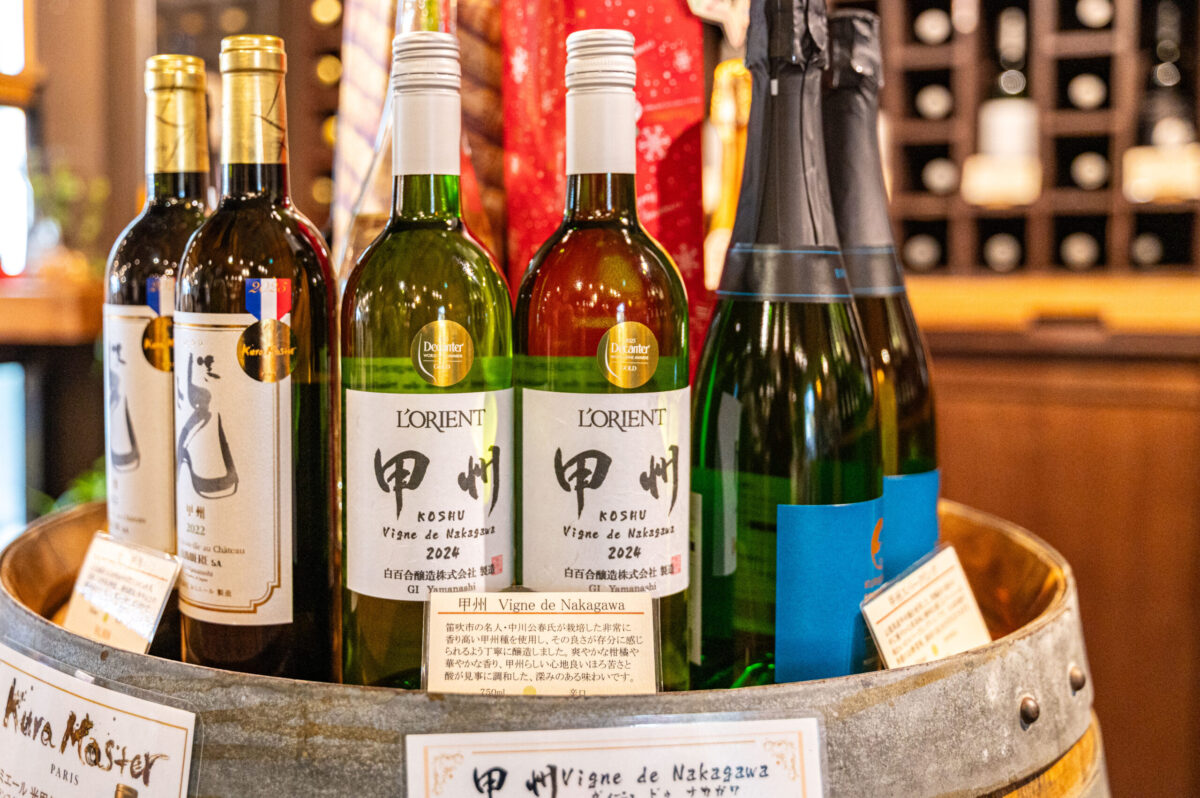
Yamanashi Prefecture, centered around Kofu City, is known as the birthplace of Japanese wine. Its history began in the Meiji era, when Yamada Yukyo and Takuma Norihisa of Kofu first attempted grape cultivation and winemaking. Later, in 1877, Japan’s first private wine company, the Dai-Nippon Yamanashi Wine Company, was established, and full-scale winemaking began. Wine is a drink created through fermentation, in which the sugars in fruit juice are converted into alcohol by the action of yeast. Like miso and other products, wine is a representative fermented food, as it is made by combining the power of humans and microorganisms.
Era
event
Around 1870
Yamada Yukyo and others from Kofu attempt winemaking
1877
The first private wine company, “Dainippon Yamanashi Wine Company,” is established in Katsunuma.
1877
Masanari Takano and Tatsunori Tsuchiya are sent to France to study brewing techniques.
2010
“Koshu” is registered as a variety with the International Organization of Vine and Wine (OIV).
2013
The geographical indication “Yamanashi” is designated by the Commissioner of the National Tax Agency.
Kofu’s fermented foods passed down to the present day
Kofu’s fermentation culture, which dates back to the time of Takeda Shingen, is still very much present in our modern lives. Here we introduce long-established shops that continue to preserve traditional flavors, as well as spots where you can experience the charm of fermentation.
A long-established company that continues to preserve traditional manufacturing methods
In Kofu, there is a long-established store that has been making fermented foods using traditional methods for over 100 years. Even though times have changed, the flavors created by the craftsmanship of artisans are still loved by many people.
Founded in 1868, the shop maintains the traditional method of brewing Koshu miso, which is made from a combination of rice and barley koji, in wooden barrels.
Founded in 1917, this winery is located near Kofu Station and produces wine from grapes grown on its own farm.
A place where you can experience fermentation culture
If you want to learn more about Kofu’s food culture, we recommend the hands-on cooking and tasting experience. By using your own hands, you’ll surely experience the wonder and excitement of fermentation.
Miso-making workshop
As the term “homemade miso” suggests, miso used to be something that each household prepared. Gomi Soy Sauce in Kofu City holds a homemade miso class every winter through spring. All ingredients are provided, so even beginners can easily participate. It’s fun to watch the miso you’ve made ferment, and the joy you feel when it’s finished is all the more special. Okame Koji also provides a miso-making space where you can prepare your own miso with the support of the staff.
Winery tour and tasting
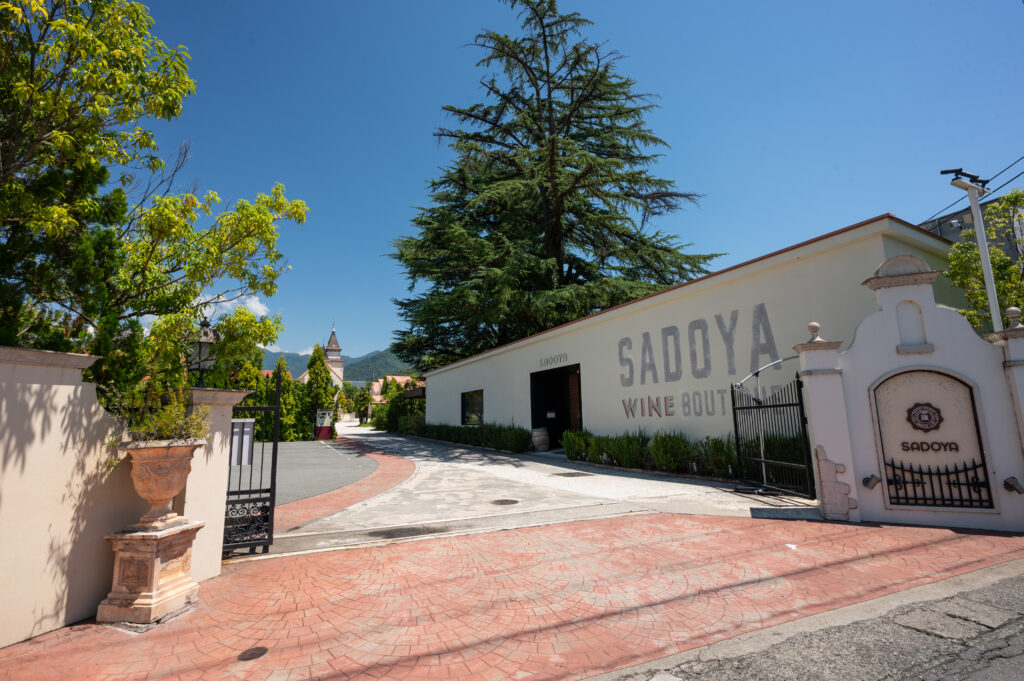
Yamanashi is the birthplace of Koshu wine. There is a historic winery in Kofu city where you can see the wine-making process up close. SADOYA , conveniently located just a five-minute walk from JR Kofu Station, offers popular tours of its underground cellars, which exude a European atmosphere. You can tour the warehouse where the barrels are stored while listening to explanations from a professional guide, and even enjoy a tasting on the spot.
Here we will introduce the Kofu Hakko Marche, which has been gaining attention as an event to promote Kofu’s new food culture. This marche is an event hosted by Kofu City that began in 2018, and is an event where you can experience the charms of Kofu’s proud fermentation culture and local industries such as jewelry, which boasts the highest shipping value in Japan. You can meet unique “hakko friends” who have gathered from all over the country, as well as shops from within Yamanashi Prefecture.
Eat, learn, and enjoy. A market filled with the charm of fermentation
The appeal of the Kofu Hakko Marche is not limited to just buying food and miscellaneous goods. Not only can you taste a wide variety of fermented foods, such as Koshu miso, wine, sake, bread, and sweets, but you can also enjoy hearing directly from the makers about their passion for fermentation. Various workshops are also held, making fermentation even more accessible. The venue also hosts concerts and other stage events, providing a space where you can enjoy the whole day with family and friends.
In 2026, the event will be held at Maizuru Castle Park Jiyu Hiroba and Kofu Kameyaza Theater , with an even more attractive lineup of stalls and enhanced hands-on “Hakko” content, allowing you to fully enjoy Kofu’s unique food culture!
project
content
Date
March 7, 2026 (Saturday)
Event time
10:00~16:00
Venue
・Maizuru Castle Park Freedom Square ・Kofu Kameyaza Theatre
Main contents
Fermented foods, jewelry, craft products for sale, workshops, stage events, etc.
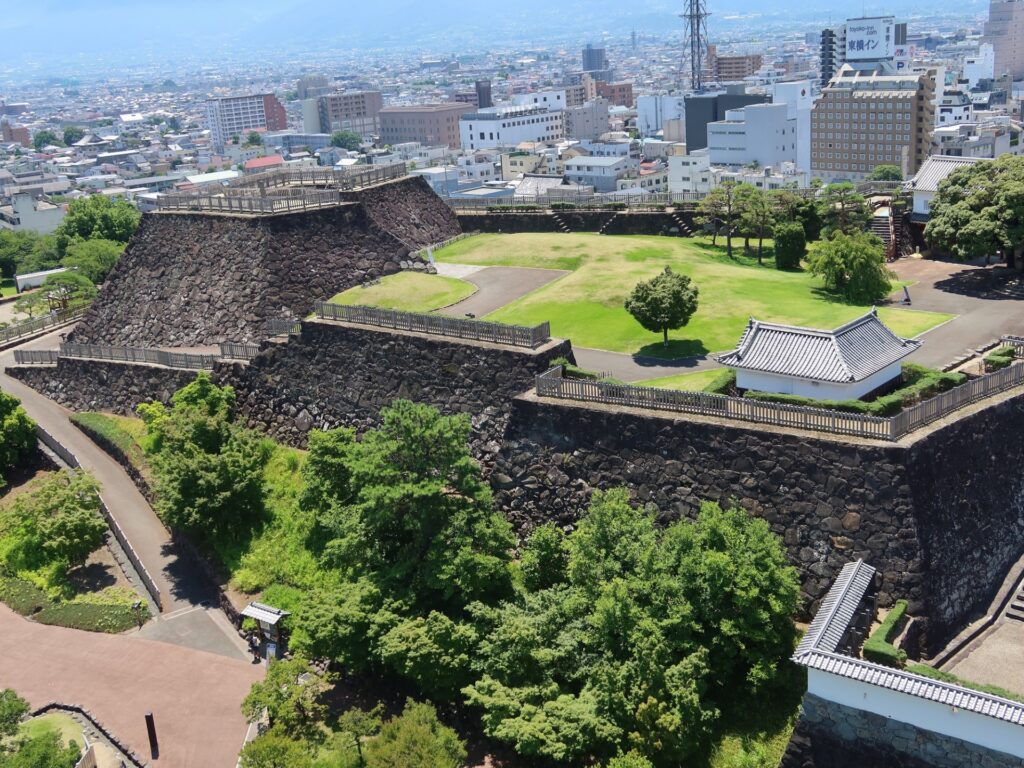
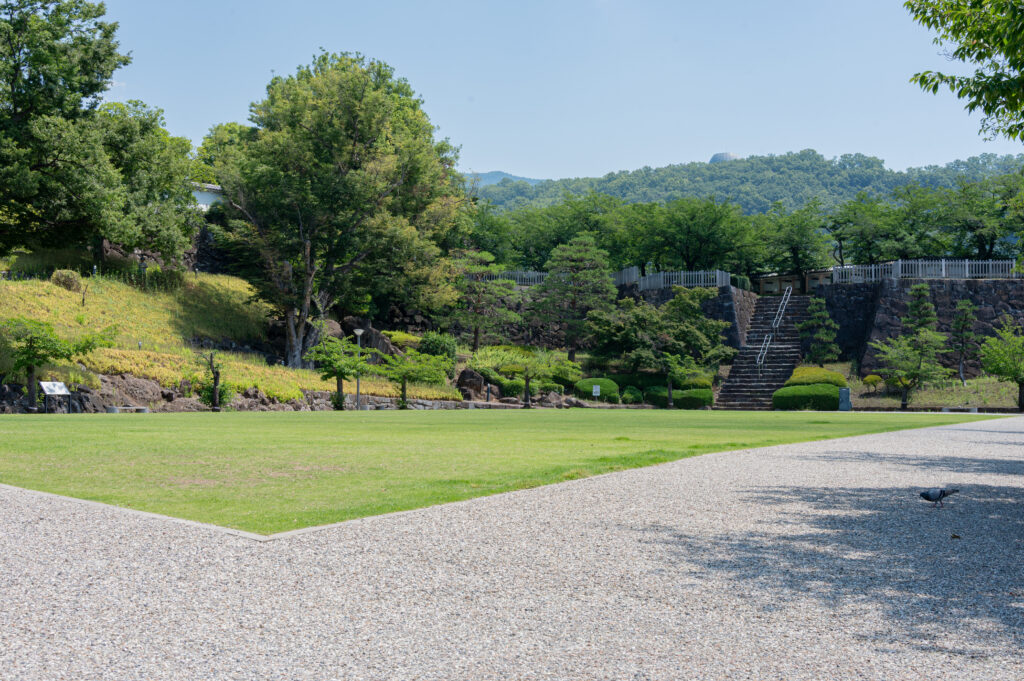
Maizuru Castle Park’s Jiyū Hiroba is one of the venues for the Kofu Hakko Marche, an event promoting Kofu’s food culture. Maizuru Castle Park is a historical park developed on the site of the Kofu Castle ruins, located close to Kofu Station. Remnants of the castle’s massive stone walls and fortress still remain, allowing visitors to experience the history of Kofu, a castle town that once flourished as the center of Kai Province, up close.
From the castle tower, visitors can enjoy views of the city and surrounding mountains, and the changing scenery throughout the seasons makes this a popular spot for locals and tourists alike. At Maizuru Castle Park, where past and present intersect, spending time reflecting on history while learning about the depths of fermentation is an experience unique to Kofu!
project
content
address
1-5-4 Marunouchi, Kofu City, Yamanashi Prefecture
access
About a 3-minute walk from the south exit of Kofu Station . *About a 10-minute walk to Jiyu Square. Jiyu Square is located just across the Yuuki Bridge over the moat.
Kofu Kameya Theater
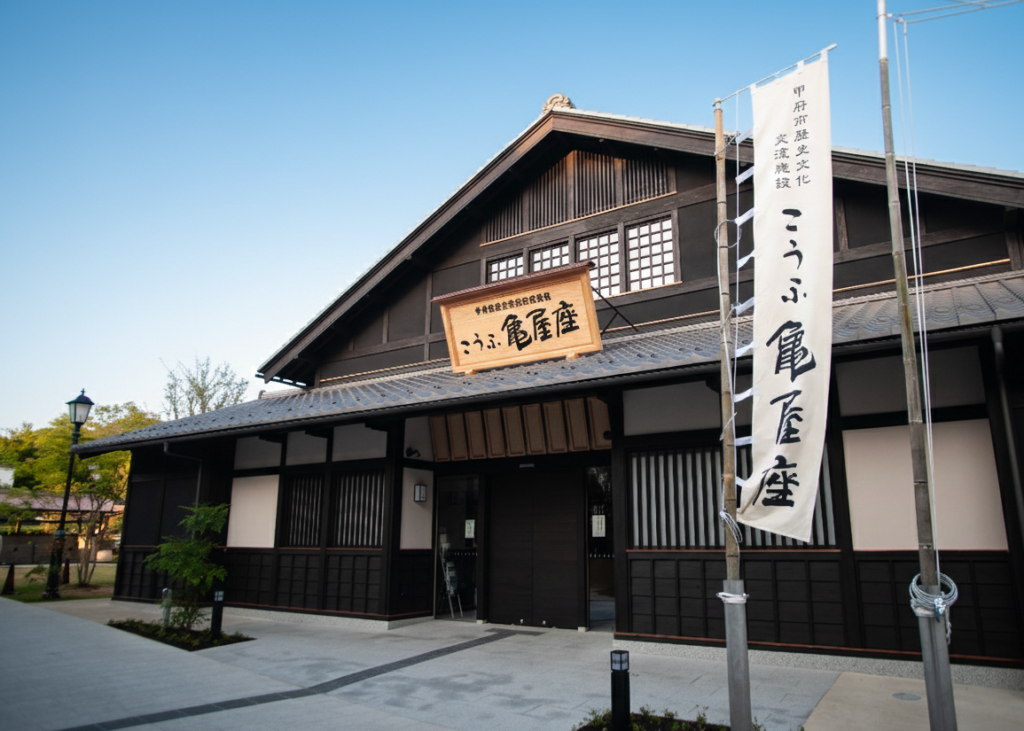
Kofu Kameyaza is another venue for the Kofu Hakko Marche. Located in the heart of Kofu, it is a cultural exchange facility that inherits the city’s history and bustle. Cherishing the memories of this place, where people once gathered as a theater and place of commerce, it now promotes the charm of the city through events, exhibitions, and experiential programs.
At Kofu Kameyaza, time flows as people, and the food and stories of Kofu come together. Through the Kofu Hakko Marche, visitors are welcomed as a place to experience Kofu’s fermentation culture on a deeper level.
The unique feature of this indoor space is that you can experience the charm of fermented foods in a relaxed atmosphere. You can listen to the thoughts and manufacturing methods of the makers, and get a feel for the depth of fermentation through tastings and hands-on experiences, all while enjoying a fun conversation and learning experience.
project
content
address
1-11-5 Marunouchi, Kofu City, Yamanashi Prefecture
access
Approximately 10 minutes walk from the south exit of Kofu Station
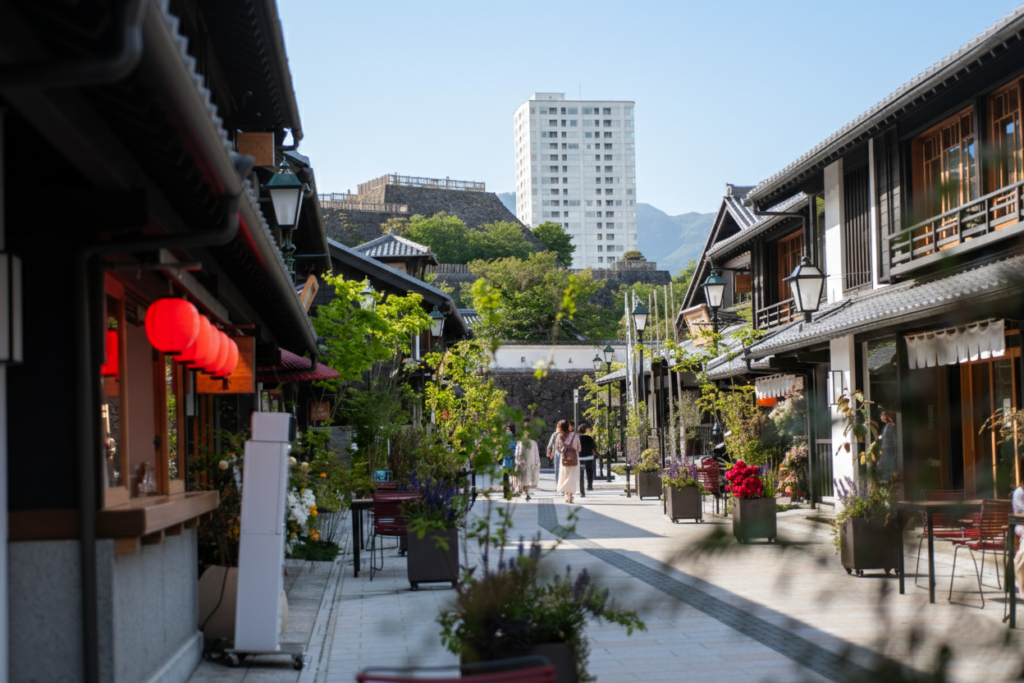
Koedo Kofu Hanakoji is an alleyway adjacent to Kofu Kameyaza Theater that is full of the atmosphere of Koedo. Machiya-style buildings line the cobblestone street, and in the calm atmosphere that evokes the Edo atmosphere, you can enjoy a relaxing time in the style of Kofu.
One of the attractions of the area is the rows of restaurants and souvenir shops where you can experience local ingredients and culture. If you stop by after enjoying an event or performance at Kofu Kameyaza, you can still savor the afterglow of your stroll around the town.
When the Kofu Hakko Marche is held, you can get a better feel for the food and culture of Kofu by visiting both the market and the Kofu Kameyaza Theatre. Experience the joy of walking around Kofu Hanakoji, a small Edo town where history and bustle blend together in perfect harmony, and experience the unique charms of Kofu.
Fermented foods that capture the history of Kofu as a souvenir of your trip
Why not bring back some of your fond memories of Kofu to your dining table? Here we introduce some special souvenirs, nurtured by Kofu’s history and culture, that you’ll want to choose while thinking of the faces of your loved ones.
Traditional fermented foods perfect as souvenirs
From everyday items to special occasion treats, fermented foods unique to Kofu are perfect as souvenirs to commemorate your trip. Let’s take a look at some of the most popular souvenirs.
summary
Kofu’s fermented foods are an important part of the food culture, nurtured by wisdom passed down since the time of Takeda Shingen and the unique climate and natural features of the region. Miso, which combines preservative properties and nutrition, was once highly valued as military food, and Koshu wine, which can be said to be the origin of Japanese wine, has transcended time and continues to add color to our dining tables.
The Kofu Hakko Marche is a place where you can experience the charm of Kofu’s fermentation culture all at once. Breweries and producers from both inside and outside the city gather to not only taste the products, but also learn about the history and manufacturing methods behind them, and the fascinating nature of fermentation, welcoming many visitors.
When you visit Kofu, be sure to experience the story of this town through its fermented foods. You’re sure to find a memorable item that will not only serve as a memento of your trip, but also make a great gift for someone.














 LINEで送る
 シェア
シェア ポスト
ポスト